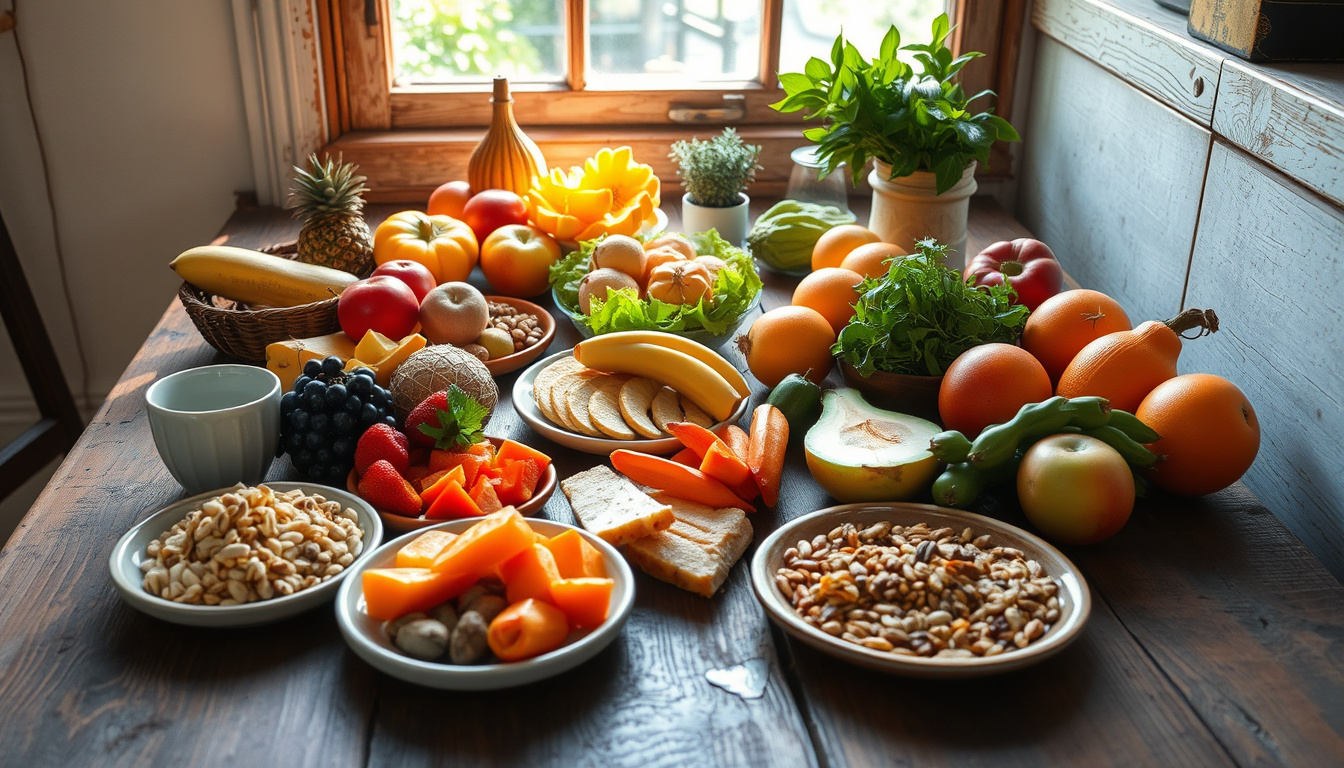
Few things derail a healthy eating plan faster than a sudden craving that lands you in the snack aisle. But with a little planning, the same urge can become an opportunity to fuel your body well.
Healthy snack ideas from registered dietitians: 30 ·
Healthy snacks that actually fill you up: 17 ·
Healthiest snacks ranking (top list): 10 ·
Quick healthy snack count (7 ideas): 7
Quick snapshot
- Snacking is common among adults and can fit a healthy diet. (EatingWell, trusted nutrition media)
- Dietitians recommend whole foods over processed snacks (EatingWell, trusted nutrition media).
- Healthy snacks help manage hunger and reduce junk-food cravings. (EatingWell, trusted nutrition media)
- The single “healthiest” snack varies by individual dietary needs.
- Optimal snack timing for weight management remains under research.
- Eating every 3–4 hours can help keep blood sugar stable (Healthline, science-backed health publisher).
- Snacking too close to meals may reduce appetite for balanced meals. (Healthline, science-backed health publisher)
- Try incorporating at least one snack from each food group throughout the day.
- Experiment with baked snacks, homemade energy balls, and new vegetable pairings.
Registered dietitians consistently agree: the best snacks combine protein, fiber, and healthy fats. That combination turns a snack from a calorie filler into a purposeful mini-meal that keeps you satisfied for hours.
Five data points that define the healthy snack landscape:
| Metric | Value |
|---|---|
| Dietitian-recommended snack ideas | 30 |
| Filling snack list (GoodRx) | 17 |
| Healthiest snack rank (Spectrum Health) | 10 |
| Quick healthy snack list (7 ideas) | 7 |
What are the 10 healthiest snacks?
Fruits and vegetables
Fresh produce is the foundation of many dietitian lists. The Baker Institute (heart research institute) suggests one medium piece of fruit or one cup of berries. AICR (cancer research organization) includes hummus with carrots and apple slices with peanut butter as top picks.
Nuts and seeds
A small handful – about ¼ cup – of unsalted nuts provides healthy fats, protein, and fiber. Healthline names mixed nuts one of the most filling snacks available. Registered dietitian Alli Magier, MS, RDN, LDN, tells RE Nutrition DC that nuts and seeds are good sources of healthy fats.
Whole grains
Air-popped popcorn is a whole grain that delivers volume for few calories. The Baker Institute lists 1–2 cups of air-popped popcorn as a savory snack option. Whole-grain crispbreads and oatcakes also appear on multiple dietitian lists.
Dairy and alternatives
Greek yogurt and cottage cheese are protein powerhouses. Healthline recommends pairing Greek yogurt with berries for a filling combo. The NHS (UK national health authority) suggests cottage cheese with cucumber and rice cakes with low-fat cream cheese.
What are 20 healthy snacks?
Quick no-cook snacks
- Apple slices with peanut butter (choose a brand with only peanuts and salt, per Healthline).
- Greek yogurt with mixed berries.
- Cottage cheese with fruit.
- Cucumber sticks with hummus (under 100 calories when using 1 cup cucumber + 2 tbsp hummus, Healthline).
- Hard-boiled eggs.
Snacks with protein
- Canned fish (tuna, salmon, sardines) on whole-wheat toast (Healthline).
- Edamame or tofu.
- Low-fat string cheese (recommended by Rushford, diabetes care provider).
Snacks for energy
- Banana with almond butter.
- Trail mix (watch portion – ¼ cup).
- Whole-grain crackers with avocado.
Including at least two food groups in each snack boosts satiety, as noted by EatingWell.
What snacks are healthy but filling?
Fiber-rich options
Popcorn, berries, and vegetables provide bulk without many calories. Healthline notes that cucumbers with hummus keep you full for under 100 calories.
Protein-packed choices
Greek yogurt, cottage cheese, and eggs deliver protein that slows digestion. The Baker Institute lists hard-boiled eggs, canned tuna, and chicken as protein snack bases.
Combination snacks
- Rice cakes with low-fat cream cheese and cucumber (NHS).
- Cheesy oatcakes with tomatoes (NHS).
- Mashed avocado on whole-grain toast.
Combining fiber, protein, and fat turns a snack into a satiety tool. For anyone watching their weight, a single 100-calorie combo snack can prevent a 300-calorie impulse purchase later.
What can I eat that is filling but not fattening?
Low-calorie high-volume snacks
Celery sticks, cucumber slices, and raw broccoli contain very few calories but add bulk. Healthline highlights cucumbers with hummus as a standout under 100 calories. Air-popped popcorn also delivers volume for minimal energy.
Water-rich fruits and vegetables
Watermelon, strawberries, and bell peppers fill the stomach without adding many calories. The Baker Institute includes a cup of chopped fruit or berries as a standard serving.
Lean protein snacks
Hard-boiled eggs, cottage cheese, and edamame provide protein with relatively few calories. The Rushford guidance for diabetes includes an 8 oz low-carb protein drink as filling.
What should I eat when I crave junk food?
Sweet cravings
- Greek yogurt with berries (Healthline).
- Dark chocolate (a square or two).
- Banana “nice cream” (blended frozen banana).
Salty cravings
- Roasted chickpeas (Baker Institute).
- Kale chips (homemade).
- Olives (5–10 olives per serve, per Baker Institute).
Crunchy cravings
- Air-popped popcorn with a sprinkle of paprika.
- Raw vegetables with hummus.
- Baked tortilla strips (small portion).
What’s settled and what’s not
Confirmed facts
- Snacking is common among adults and can be part of a healthy diet (Healthline).
- Dietitians recommend whole foods over processed snacks (EatingWell).
- Healthy snacks can help manage hunger and reduce junk food cravings.
What’s unclear
- The single “healthiest” snack varies by individual dietary needs and preferences.
- Optimal snack timing for weight management remains under research.
Expert perspectives
“For a filling snack, try fruit and yoghurt pots, popcorn, or rice cakes with low-fat cream cheese and cucumber.”
NHS (UK health authority)
“Nuts are nutritious and very filling because they provide healthy fats, protein, and fiber.”
Healthline (science-backed health publisher)
“Snacks that are rich in protein, fat, and fiber tend to have more staying power.”
Rachel Engelhart, RD, LPC, quoted by RE Nutrition DC (dietitian practice)
The recurring message from experts is clear: the best snack is a mini-meal built from real food. For the average adult trying to eat better, the choice is straightforward: reach for combinations that include protein, fiber, and healthy fats, or face the familiar cycle of cravings and regret.
For parents looking for kid-friendly options, dietitian-approved healthy snacks for kids offers tailored ideas that even picky eaters will enjoy.
Frequently asked questions
Are healthy snacks more expensive than junk food?
Not necessarily. Apples, carrots, and oats are often cheaper per serving than chips or candy bars. Buying in bulk and choosing seasonal produce can keep costs low.
Can healthy snacks help with weight loss?
Yes – by curbing hunger between meals, healthy snacks can prevent overeating later. Studies cited by Healthline show that protein-rich snacks reduce overall daily calorie intake.
What is the healthiest snack to eat before bed?
A small portion of cottage cheese, a banana, or a handful of almonds can promote sleep without spiking blood sugar. Heavy or sugary snacks may disrupt sleep.
How many calories should a healthy snack have?
Most dietitians suggest 100–200 calories per snack, depending on activity level and goals. The Baker Institute provides serving guidelines that fit this range.
Are protein bars considered healthy snacks?
Some are, but many contain added sugars and artificial ingredients. Look for bars with fewer than 10 grams of sugar and at least 10 grams of protein, and prioritize whole-food alternatives when possible.
What are the best healthy snacks for kids to take to school?
Apple slices with peanut butter, yogurt tubes, cheese sticks, and whole-grain crackers are portable and balanced. AICR suggests hummus with carrot sticks and banana with nut butter.
Do healthy snacks provide enough energy for workouts?
Yes – a combination of carbohydrate and protein, such as a banana with almond butter or a small smoothie, provides sustained energy for exercise without weighing you down.

Noah Harper is Senior Reporter at Aussie Insightly, covering breaking stories and explainers.