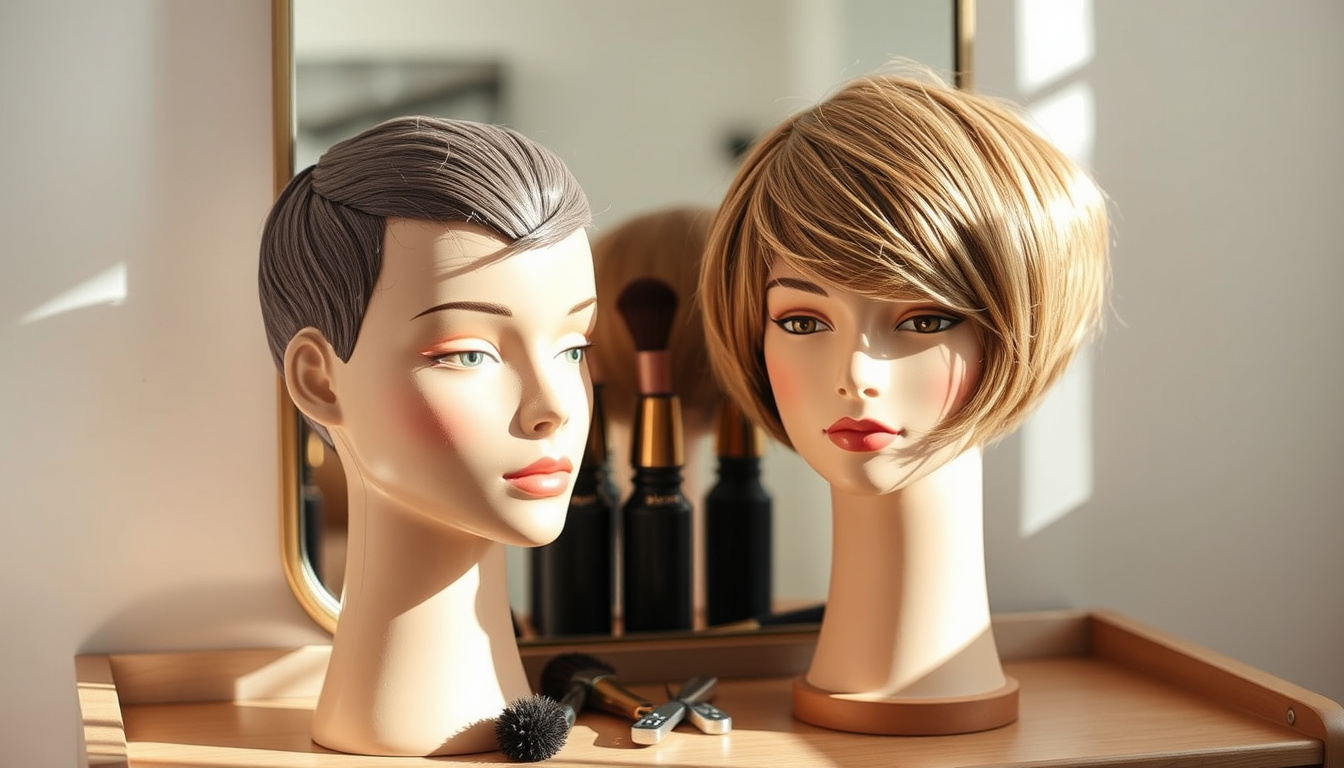
Finding the right hairstyle becomes increasingly important as hair texture changes with age. Fine hair—characterized by strands smaller than 50 microns in diameter—requires cuts that create the appearance of thickness without demanding extensive daily styling. For women in their 60s, low maintenance hairstyles that complement thinning hair while framing the face attractively represent a practical choice that balances aesthetics with ease of care.
The ideal options for mature women with fine hair typically combine strategic layering with shorter lengths that add lift at the roots. These cuts work with the hair’s natural tendency to become finer and potentially more wiry over time, rather than against it. By choosing styles that require minimal product and effort, women can maintain a polished appearance while avoiding the frustration of flat, lifeless styles that lack volume.
Professional stylists consistently recommend cuts that prioritize structure over heavy styling products. When selecting a hairstyle, considering face shape, hair texture, and lifestyle needs helps ensure the chosen style remains flattering and manageable for years to come.
What Are the Best Low Maintenance Hairstyles for Women Over 60 with Fine Hair?
Several styles have proven particularly effective for creating fullness and dimension in fine hair while requiring minimal daily maintenance. Pixie bob variations—cuts that blend the shortness of a pixie with the versatile length of a bob—have emerged as go-to options for women seeking modern, youth-enhancing looks that do not demand extensive styling routines. Pixie bob haircuts for women over 60 demonstrate how combining these two styles creates versatile options suitable for various face shapes and hair types.
Ultra-short cut that creates the illusion of increased hair density. Minimal styling required.
Shoulder-length cut with strategic layers that allow for easy air-drying and natural movement.
Choppy layers throughout add significant volume and work well with fine straight or wavy hair.
Soft, face-framing layers create fullness without the need for blow-drying or heat styling.
Key Insights for Choosing Low Maintenance Styles
- Fine hair loses elasticity with age, making structured cuts more reliable than color-dependent styles for maintaining appearance
- Low maintenance means styles that require under five minutes of daily attention to look polished
- Volume achieved through cut structure outperforms products alone in creating lasting fullness
- Heavy layering should be avoided, as it can flatten fine strands rather than lift them
- Graduated cuts with shorter layers underneath encourage natural curl and movement
- Wash-and-wear functionality represents the gold standard for mature hair care routines
- Face-framing layers soften mature features while drawing attention to the eyes and cheekbones
Snapshot Facts: Fine Hair Characteristics After 60
| Characteristic | Implication for Styling |
|---|---|
| Hair diameter less than 50 microns | Requires lift at roots to appear fuller |
| Scalp oil production decreases 10-20% | Simpler washing routines sufficient; less frequent conditioning needed |
| 60% of women over 60 prefer short styles | Trend aligns with low-effort maintenance preferences |
| Fine hair becomes more wiry with age | Texturizing products help manage texture without adding weight |
| Thinning often begins at crown | Strategic layering adds density where needed most |
| Gray and white hair tends to be coarser | May require different styling approaches than pigmented hair |
Is a Pixie Cut or Short Style Ideal for Fine Hair Over 60?
Pixie cuts have earned their reputation as excellent choices for women over 60 with fine hair. The shorter length removes weight that can drag fine strands down, allowing natural body and movement to emerge. Pixie bob haircuts for women over 60 demonstrate how combining these two styles creates versatile options suitable for various face shapes and hair types.
Pixie Bob Variations for Fine Hair
The layered pixie bob with undercut works particularly well for straight, fine hair. The asymmetry elongates round faces while the undercut at the nape lightens the overall weight, creating natural lift at the crown. Using a root-lifting spray or diffuser enhances this effect during styling.
Tousled gray pixie bobs featuring soft layers add welcome movement to thinning hair. The flipped ends and side part create visual interest without requiring heat styling. These wash-and-wear options suit round or oval face shapes particularly well.
Bixies—shorter cuts that sit between traditional bobs and pixies—incorporate feathered layers that boost limp fine hair without demanding much styling time. Stylists recommend avoiding wet sprays that can weigh these delicate cuts down.
Face Shape Considerations for Pixie Styles
Round and oval faces benefit from asymmetrical layered or tousled styles that create the appearance of length and lift. The strategic dishevelment draws attention upward, balancing wider facial features.
Fuller figures and plus-size faces pair well with textured cuts featuring rounded silhouettes and wispy bangs. These elements soften the overall appearance while maintaining sophistication.
Longer oval face shapes suit rounded edges and fringe that hug the jawline gently, preventing the cut from appearing too severe or abbreviated.
Hairdressers recommend graduated cuts with shorter layers underneath to prompt natural curl and movement in fine hair. This technique creates internal volume without requiring external product buildup.
How Do Layered Hairstyles Benefit Fine Thin Hair in Your 60s?
Layered hairstyles address the primary challenge of fine, thinning hair: the lack of visual density. By strategically removing length from certain areas while maintaining it in others, layers create dimension and prevent the flat, lifeless appearance that single-length cuts often produce on fine hair. Haircuts for fine hair often emphasize layering as a primary technique for creating volume and movement.
Specific Layered Styles That Work
The straight pixie bob with wispy layers proves particularly effective for fine, straight hair. Blonde highlights enhance the illusion of volume, and the shorter length allows the hair to bounce naturally rather than hanging limply. Best haircuts for thin hair from consumer testing organizations confirm that strategic layering creates noticeable improvement in hair fullness.
Side-parted long pixies increase density perception in thinning hair by creating visual separation between strands. Volume powder applied at the roots provides grit and plumping without the heaviness of traditional hairspray.
Textured pixie bobs with feathery layers add dimension particularly well for fuller face shapes. Wispy bangs that soften forehead lines provide an added youth-enhancing effect without appearing juvenile.
Stacked pixie bobs combine layered sections at the nape with longer hair on top, building substantial volume for fine to medium hair textures. A quick blow-dry with a round brush maintains the shape throughout the day.
Additional variations include wedge cuts with graduated inward curl, inward curled styles, tousled wavy pixie bobs, and white curly pixie bobs. All require minimal maintenance when paired with appropriate texturizing products.
What Styling Tips Add Volume to Low Maintenance Fine Hair Over 60?
Building and maintaining volume in fine hair requires a combination of strategic cutting techniques and appropriate styling methods. Understanding which approaches create lift without adding weight makes the difference between styles that look effortlessly full and those that appear flat and tired.
Volume-Building Techniques
Root-lifting spray applied to damp hair before blow-drying creates immediate lift at the crown. Diffusing rather than air-drying helps set this lift in place, particularly for wavy or curly textures.
Volume powder provides grit and plumping to soft, thinning hair. Applied sparingly at the roots, it adds structure without the stiffness associated with traditional hairsprays or gels. This approach works especially well for pixie cuts and very short styles.
Dry texture spray enhances lift and provides hold throughout the day without weighing hair down. These lightweight formulas allow fine hair to maintain its natural movement while staying styled.
Enhancing Natural Texture
For tousled looks, working a small amount of texturizing product through damp hair with fingers creates relaxed, natural-looking waves. A brief blow-dry with a round brush shapes the cut while maintaining the intended disheveled effect.
Heat-free methods suit fine hair particularly well, as excessive heat can cause further damage and breakage in already delicate strands. Pixie bob for older women suggests that most textured styles can be maintained with minimal heat exposure.
Steer clear of heavy wet products including traditional gels and wet hairsprays that flatten fine hair. Lightweight, clear formulas work best. For gray and white hair, clear products prevent pigment buildup that can cause yellowing.
Which Hair Products Support Low Maintenance for Fine Hair Seniors?
Product selection plays a supporting role in maintaining fine hair styles, but the right choices simplify routines significantly. Understanding which products enhance volume and texture without creating buildup helps women achieve salon-quality results at home. Volumizing products from beauty publications offer tested options for fine hair care.
Recommended Product Categories
- Volumizing Mousse: Particularly effective for cropped pixie styles; provides hold while lifting at the roots without stiffness
- Root-Lifting Spray: Applied to towel-dried hair before styling; creates immediate height at the crown and throughout the cut
- Dry Texture Spray: Refreshes styles between washes; adds grit and structure without requiring water or additional tools
- Volume Powder: Provides instant plumping for thinning areas; absorbs excess oil while adding grip for lasting hold
Daily Maintenance Approach
Most low maintenance styles for fine hair require minimal daily product application. A light mist of texturizing spray or a small amount of volume powder at the roots typically suffices to maintain shape and fullness throughout the day.
Regular trims every six weeks help maintain the structural integrity of layered cuts. As layers grow out, the volume-enhancing effect diminishes, making consistent maintenance essential for achieving lasting results.
How Have Pixie Bob Trends Evolved for Mature Women?
Understanding the trajectory of hairstyle trends helps contextualize current recommendations and sets realistic expectations for style longevity. Short haircuts for women over 60 featured in fashion publications show how these styles have become increasingly accepted and celebrated in mainstream fashion.
- 2010s: Blunt bobs dominated mature women’s styling preferences, emphasizing clean lines and polished appearances
- 2020s: Textured pixies rose in popularity as stylists and clients recognized their volume-enhancing benefits for fine hair
- 2025 Trend: Asymmetrical crops and choppy layered pixie bobs continue gaining traction for their modern edge and practical benefits
Popular among women over 60, pixie cuts and bobs appear frequently on public figures. Glenn Close favors smooth crown styles while Carrie Coon showcases blonde pixies. These variations demonstrate the versatility of short cuts for mature faces.
What Is Known and Unknown About Styling Fine Hair After 60?
| Established Information | Remaining Questions |
|---|---|
| Pixie cuts work well for approximately 90% of face shapes | Long-term hair health impact of frequent short cuts requires more study |
| Layered cuts create more volume than blunt cuts on fine hair | Optimal frequency of professional trims varies by individual |
| Lightweight products outperform heavy formulas for fine hair | Impact of specific styling tools on fine hair longevity |
| Gray hair requires different styling approaches than pigmented hair | Long-term effects of texturizing products on thinning hair |
Why Does Fine Hair Need Special Consideration After 60?
Hair undergoes significant changes as women age. Strands naturally become finer in diameter, and the scalp produces less oil, resulting in hair that may feel drier while requiring less frequent washing. These physiological shifts affect which styles and products will prove most effective. Hair loss guidance from dermatology associations provides additional context on age-related hair changes.
Fine hair also tends to lack the elasticity it had in younger years, making it more susceptible to damage from heat styling and harsh products. Choosing low maintenance hairstyles that work with the hair’s natural tendencies rather than demanding extensive manipulation protects hair health over time.
Consultation Checklist
- Bring photos of styles you admire, particularly those on women with similar face shapes
- Discuss your typical styling routine and available time for maintenance
- Ask about cut techniques that work with your specific hair texture
- Inquire about product recommendations suited to your hair type and color
- Request guidance on styling tools that minimize damage
What Do Experts Say About Fine Hair Styling?
Short cuts enhance fine hair density by removing length that can drag strands down and create a flattened appearance.
— Professional styling guidance from hair care experts
Layers prevent flatness in mature hair by creating visual separation between strands and allowing light to reflect differently across the cut.
— Industry styling recommendations
Professional organizations including the American Academy of Dermatology provide guidance on hair care for aging hair, emphasizing the importance of choosing styles and products that work with natural changes rather than against them.
Ready to Choose Your Low Maintenance Style?
Selecting a new hairstyle involves considering your face shape, hair texture, lifestyle, and personal preferences. The options presented here offer starting points for conversations with your stylist about what might work best for your specific situation. Pixie bob haircuts for women over 60 provide extensive visual examples to help narrow down preferences before your appointment.
Scheduling a consultation before committing to a major change allows you to discuss options and expectations with a professional who understands how different cuts interact with mature fine hair. Bringing reference images helps communicate your goals clearly.
Frequently Asked Questions
Can long hair be truly low maintenance for fine texture over 60?
Long hair generally requires more maintenance for fine textures because the weight pulls strands flat, creating a limp appearance. Extensions can add density but increase care requirements. Most women with fine hair find shorter styles more manageable.
What face shapes suit pixie cuts for thin hair?
Round and oval faces work well with asymmetrical or tousled pixie styles that create length and lift. Fuller faces benefit from textured cuts with rounded silhouettes and wispy bangs. Longer oval faces suit cuts with rounded edges and fringe.
What professional tips should hairdressers know about fine hair seniors?
Hairdressers should recommend graduated cuts with shorter underlayers to encourage natural movement, avoid heavy products that flatten fine strands, suggest regular trims to maintain layer integrity, and use lightweight texturizing products rather than heavy styling creams.
How often should fine hair be trimmed?
Most stylists recommend trims every six weeks for layered cuts to maintain their volume-enhancing structure. Longer intervals may result in layers losing their shape and the style appearing dated or flat.
Are there celebrity hairstyles to reference for inspiration?
Glenn Close’s smooth crown pixie and Carrie Coon’s blonde pixie demonstrate versatile options for mature women. Jamie Lee Curtis’ cropped style works well with volumizing mousse. These examples show how short cuts adapt to different face shapes and personal styles.
Can highlights make fine hair look thicker?
Blonde highlights and bronde coloring can create the illusion of volume by adding dimension and visual interest. Lighter tones reflect more light, giving the appearance of fuller hair. However, color should complement the cut rather than replace it.
What should women avoid when styling fine hair over 60?
Avoid heavy products that weigh hair down, wet sprays and gels that flatten strands, excessive heat styling, and cuts with uniform length that lack dimension. Single-length styles often appear flat on fine hair without the structural support of layers.
How do I choose between a pixie and a pixie bob?
Consider your comfort level with very short hair and your maintenance preferences. Pixies require minimal product but may feel too short initially. Pixie bobs offer more styling versatility and face-framing options while still being low maintenance compared to longer cuts.
What dry styling options exist for very low maintenance routines?
Dry texture sprays, volume powders, and texturizing mousses applied to dry hair refresh styles between washes. These products add grip, lift, and shape without requiring water or heat styling, making them ideal for simplified routines.
Do shag styles work for women over 60 with fine hair?
Shag variations with soft layers suit fine hair well because they create fullness without requiring blow-drying or heat styling. The multiple layers throughout add dimension and movement, and the textured appearance works with natural hair tendencies rather than against them.

Thomas Webb leads fact-checking, source verification and corrections at Aussie Insightly.